
Why Heat-Treated Glass Is Essential for Modern Transportation Vehicles
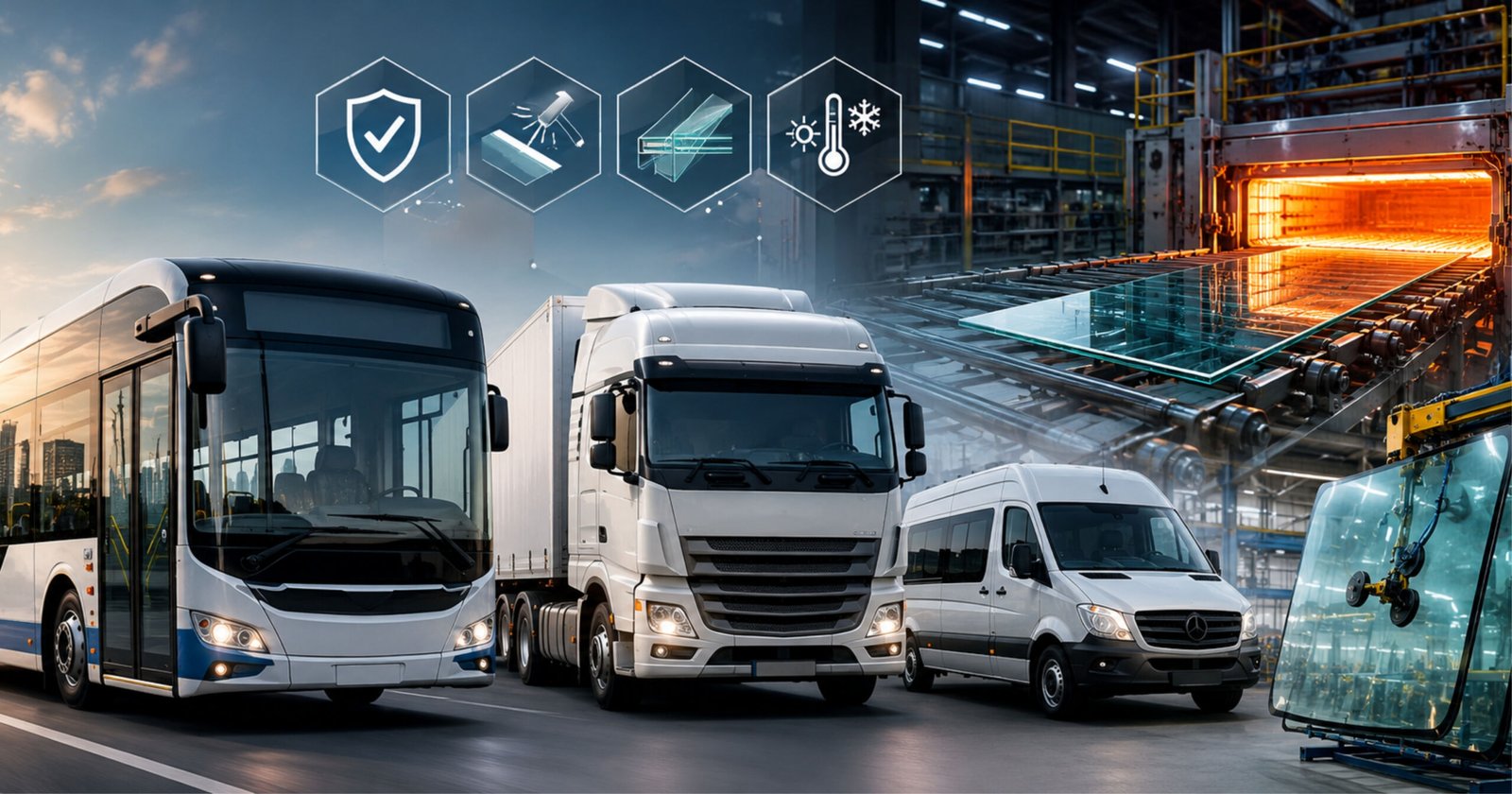
Modern transportation vehicles are expected to do far more than simply move passengers from one place to another. They must deliver exceptional safety, withstand harsh operating conditions, comply with stringent regulations, and provide long-term reliability. Every component used in buses, commercial vehicles, and public transportation systems plays a crucial role in achieving these goals—including the glass.
Vehicle glazing is no longer just a transparent barrier. It has evolved into a critical safety and structural component that contributes to passenger protection, durability, and overall vehicle performance. This is where heat-treated glass becomes essential. Designed to withstand impact, thermal stress, and continuous vibration, heat-treated glass has become the preferred choice for modern transportation applications.
As a trusted Toughened Glass Manufacturer In India, the industry continues to develop advanced glazing solutions that meet the growing demands of vehicle manufacturers and transportation operators. From toughened safety glass used in passenger windows to specialized heat strengthened glass for demanding environments, heat-treated glass plays a vital role in ensuring safer and more efficient transportation systems.
Understanding Heat-Treated Glass
Heat-treated glass is a specially processed glass that undergoes controlled thermal treatment to improve its strength and resistance to impact. During the manufacturing process, the glass is heated to a high temperature and then rapidly cooled, creating compressive stresses on the surface and tensile stresses within the core.
This process significantly enhances the mechanical strength of the glass, making it far more durable than standard annealed glass.
The two primary categories of heat-treated glass used in transportation applications include:
- Toughened Safety Glass
- Heat Strengthened Glass
Both types provide unique advantages depending on the specific vehicle requirements and operational conditions.
Why Modern Transportation Vehicles Require Heat-Treated Glass
Transportation vehicles operate in demanding environments where glass is exposed to vibration, temperature fluctuations, road debris, wind pressure, and accidental impacts. Standard glass often lacks the strength needed to withstand these challenges.
Heat-treated glass provides the reliability and durability required for:
- Public transportation buses
- School buses
- Commercial transport vehicles
- Tourist coaches
- Rail transportation systems
- Specialized industrial vehicles
By incorporating advanced glass solutions, manufacturers can improve both passenger safety and vehicle longevity.
Enhanced Passenger Safety
One of the primary reasons heat-treated glass is widely used in transportation vehicles is its exceptional safety performance.
Toughened Safety Glass Reduces Injury Risks
When ordinary glass breaks, it forms large, sharp fragments that can cause severe injuries. In contrast, toughened safety glass shatters into small, relatively blunt particles, significantly reducing the risk of passenger harm during accidents.
This safety feature makes toughened glass a preferred choice for side windows, doors, and emergency exit systems in transportation vehicles.
As regulations become stricter, vehicle manufacturers increasingly rely on solutions provided by experienced toughened glass manufacturer in India companies to meet national and international safety requirements.
Superior Strength and Impact Resistance
Transportation vehicles frequently encounter:
- Flying road debris
- Gravel impact
- Mechanical stress
- Continuous vibration
- Sudden pressure changes
Heat-treated glass offers significantly greater impact resistance compared to conventional glass.
A professional tempered glass manufacturer produces glass that can withstand demanding operating conditions while maintaining optical clarity and structural stability.
This improved strength helps minimize maintenance costs and reduces the likelihood of unexpected glass failures.
Better Resistance to Thermal Stress
Transportation vehicles often operate across diverse climates, from extreme summer temperatures to cold weather conditions.
Large temperature differences between the interior and exterior surfaces can place considerable stress on vehicle glazing systems.
Role of Heat Strengthened Glass
Heat strengthened glass is specifically engineered to provide enhanced resistance to thermal stress while maintaining excellent durability. Although it is not as strong as fully toughened glass, it offers improved performance compared to standard annealed glass and is commonly used in applications where additional thermal stability is required.
This makes it an ideal solution for certain transportation and specialty vehicle applications.
Essential for Bus Manufacturing
Buses transport thousands of passengers daily and require highly durable glazing systems that can withstand continuous use.
A reliable Bus Toughened Glass Manufacturer supplies specialized glass products engineered for:
- Passenger safety
- Emergency evacuation systems
- Impact resistance
- Long-term durability
- Regulatory compliance
Bus manufacturers increasingly depend on advanced heat-treated glass technologies to enhance operational safety and passenger confidence.
Improved Vehicle Structural Performance
Modern vehicle designs increasingly integrate glass as a functional structural element rather than simply a transparent barrier.
Heat-treated glass contributes to:
- Increased body rigidity
- Better aerodynamic performance
- Reduced vibrations
- Enhanced vehicle stability
By strengthening key vehicle components, heat-treated glass helps improve overall transportation efficiency and performance.
Compliance with Safety Standards
Government agencies and transportation authorities enforce strict regulations regarding vehicle glazing systems.
Heat-treated glass products are manufactured to comply with various national and international standards covering:
- Impact resistance
- Fragmentation behavior
- Optical quality
- Passenger safety
- Durability requirements
Working with an experienced toughened glass manufacturer in India ensures that transportation vehicle manufacturers receive certified products that meet industry-specific regulations.
Long-Term Cost Efficiency
Although heat-treated glass may involve a higher initial investment than conventional glass, it offers substantial long-term benefits.
These include:
- Reduced replacement frequency
- Lower maintenance costs
- Improved durability
- Better operational reliability
- Enhanced passenger protection
The extended service life of heat-treated glass often results in significant cost savings for fleet operators and transportation companies.
Supporting the Future of Transportation
As transportation technology evolves, vehicles are becoming safer, smarter, and more efficient. Advanced glazing solutions continue to play an important role in this transformation.
Innovations in heat-treated glass are supporting:
- Electric buses
- Smart transportation systems
- Sustainable vehicle manufacturing
- Advanced passenger safety solutions
- Energy-efficient transportation designs
Manufacturers are increasingly collaborating with trusted tempered glass manufacturer and automotive glass specialists to develop next-generation vehicle glazing systems.
Conclusion
Heat-treated glass has become an essential component of modern transportation vehicles due to its superior strength, enhanced safety performance, thermal resistance, and long-term durability. Whether it is toughened safety glass for passenger protection or heat strengthened glass for improved thermal performance, these advanced glazing solutions help transportation systems operate more safely and efficiently.
As vehicle safety standards continue to evolve, the expertise of a trusted toughened glass manufacturer in India remains critical in delivering high-quality glass solutions for buses, commercial vehicles, and other transportation applications. By investing in advanced heat-treated glass technologies, manufacturers can ensure safer journeys, improved durability, and greater reliability for modern transportation fleets.