
Laminated Glass Manufacturer in India: Materials, Testing, and Safety Standards
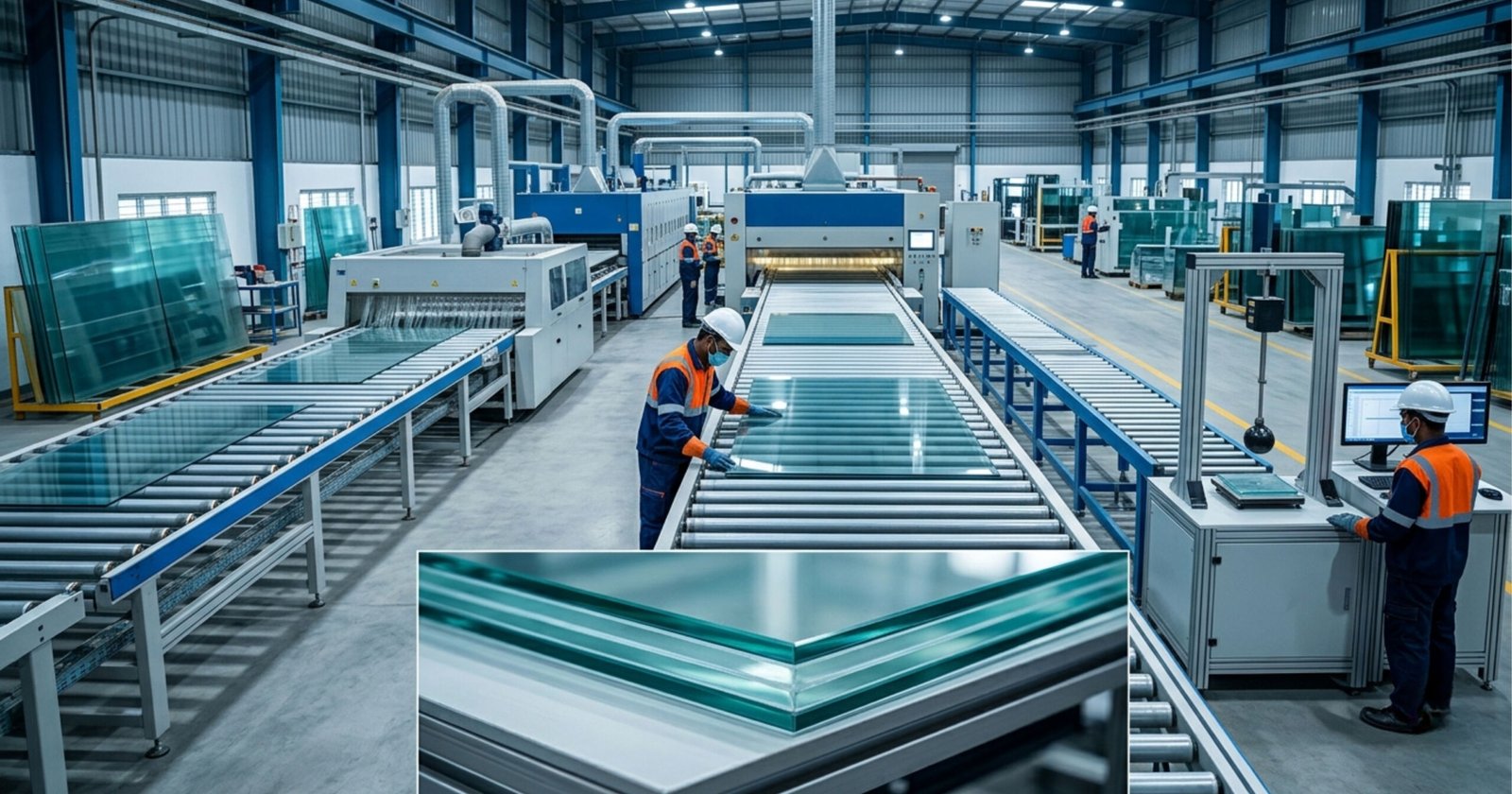
The demand for high-performance glass solutions is rapidly growing across infrastructure, automotive, and commercial sectors. A professional Laminated Glass Manufacturer In India plays a crucial role in delivering advanced glazing solutions that combine strength, safety, and durability. From high-rise buildings to public transportation systems, laminated safety glass has become a preferred choice due to its superior impact resistance and security features.
In this article, we explore the materials used, manufacturing process, testing methods, and safety standards followed by leading manufacturers, along with the importance of choosing a reliable bus laminated glass supplier.
What is Laminated Glass?
Laminated glass is a type of safety glass made by bonding two or more layers of glass with a special interlayer, usually Polyvinyl Butyral (PVB), under heat and pressure. The interlayer holds the glass pieces together even if the glass breaks, preventing dangerous shards from scattering.
This structure makes Laminated Safety Glass highly effective in applications where human safety is a priority. Unlike ordinary glass, it remains intact upon impact, significantly reducing the risk of injury.
Compared to toughened glass, laminated glass offers additional benefits such as sound insulation, UV protection, and enhanced security, making it suitable for both architectural and automotive uses.
Raw Materials Used in Laminated Glass Manufacturing
A reliable laminated glass manufacturer in India carefully selects raw materials to ensure consistent quality and performance.
1. Glass Sheets
Manufacturers typically use high-quality float glass, which may be annealed or heat-treated depending on the application. For automotive uses, specially processed glass is preferred to meet strict safety requirements.
2. Interlayer Materials
The interlayer is the heart of laminated safety glass. Common materials include:
- PVB (Polyvinyl Butyral) – Widely used for automotive windshields
- EVA (Ethylene Vinyl Acetate) – Suitable for decorative and architectural uses
- SGP (SentryGlas Plus) – Offers higher strength and rigidity
3. Specialty Films
Additional layers such as acoustic interlayers, UV-resistant films, and tinted or decorative films can be added to enhance performance and aesthetics.
For a bus laminated glass supplier, selecting the right interlayer is critical to ensure passenger safety and compliance with transport regulations.
Manufacturing Process of Laminated Safety Glass
The production of laminated glass involves advanced technology and strict quality control procedures.
Cutting and Edge Preparation
Glass sheets are cut to precise dimensions using automated cutting tables. Edges are polished to remove imperfections.
Cleaning and Assembly
The glass is thoroughly washed to remove dust and contaminants. The interlayer film is then placed between the glass sheets in a cleanroom environment.
Pre-Pressing
The layered assembly passes through rollers to remove air pockets and ensure proper bonding.
Autoclave Process
The assembled glass is subjected to high temperature and pressure inside an autoclave. This process permanently bonds the interlayer to the glass layers.
Final Inspection
Each unit undergoes detailed quality checks for optical clarity, bonding strength, and dimensional accuracy.
For a bus laminated glass supplier, this process must meet stringent automotive-grade standards to ensure durability and long-term performance.
Types of Laminated Glass Products
A leading laminated glass manufacturer in India typically offers a wide range of products, including:
- Standard laminated safety glass
- Acoustic laminated glass for sound insulation
- Security laminated glass for enhanced protection
- Bullet-resistant laminated glass
- Bus laminated glass for windshields and side windows
In public transport vehicles, laminated glass is especially important because it prevents shattering and enhances passenger safety during accidents.
Testing Procedures Followed by Manufacturers
Quality testing is a critical part of laminated glass production. Reputed manufacturers conduct several tests to ensure compliance and performance.
Impact Resistance Test
Checks the ability of the glass to withstand sudden force.
Penetration Resistance Test
Measures how effectively the interlayer holds broken pieces together.
Fragment Retention Test
Ensures that broken glass fragments remain adhered to the interlayer.
Optical Clarity Test
Verifies that the glass provides distortion-free visibility, essential for automotive windshields.
Heat and Humidity Test
Evaluates durability under extreme environmental conditions.
For any bus laminated glass supplier, these tests are mandatory to ensure safety in real-world driving conditions.
Safety Standards and Certifications in India
A trusted laminated glass manufacturer in India adheres to national and international standards. These may include:
- BIS (Bureau of Indian Standards) certification
- Automotive safety compliance standards
- Quality management certifications
Meeting these standards ensures that laminated safety glass performs reliably in critical applications such as public transport, commercial buildings, and high-security zones.
Applications of Laminated Safety Glass
Automotive Industry
Laminated glass is widely used in windshields due to its impact resistance and clarity. A professional bus laminated glass supplier ensures that public transport vehicles are equipped with high-quality glass that enhances passenger protection.
Construction Industry
- Building facades
- Skylights
- Balustrades
- Glass partitions
Specialized Infrastructure
- Airports
- Railway stations
- Shopping malls
- Corporate offices
The versatility of laminated safety glass makes it suitable for projects requiring both strength and transparency.
Benefits of Choosing a Reliable Manufacturer
Partnering with an experienced laminated glass manufacturer in India offers several advantages:
- Enhanced passenger and occupant safety
- Noise reduction through acoustic interlayers
- UV protection for interiors
- Increased resistance against forced entry
- Customization for different applications
For transportation companies, working with a certified bus laminated glass supplier ensures compliance, durability, and peace of mind.
Future Trends in Laminated Glass Manufacturing
The industry is evolving with innovations such as:
- Smart laminated glass with integrated technologies
- Energy-efficient glazing solutions
- Sustainable and eco-friendly production processes
- Lightweight laminated glass for improved fuel efficiency in vehicles
As infrastructure and mobility sectors expand, the role of laminated safety glass will continue to grow across India.
Conclusion
A professional laminated glass manufacturer in India combines advanced materials, precise manufacturing processes, strict testing methods, and adherence to safety standards to deliver reliable products. Whether for high-rise buildings or public transportation systems, laminated safety glass ensures durability, protection, and long-term performance.
Choosing a trusted bus laminated glass supplier further guarantees compliance with automotive safety norms and enhances passenger security. As safety standards continue to evolve, investing in high-quality laminated glass remains a smart and responsible decision.