How to Choose the Right Toughened Glass Supplier for Buses
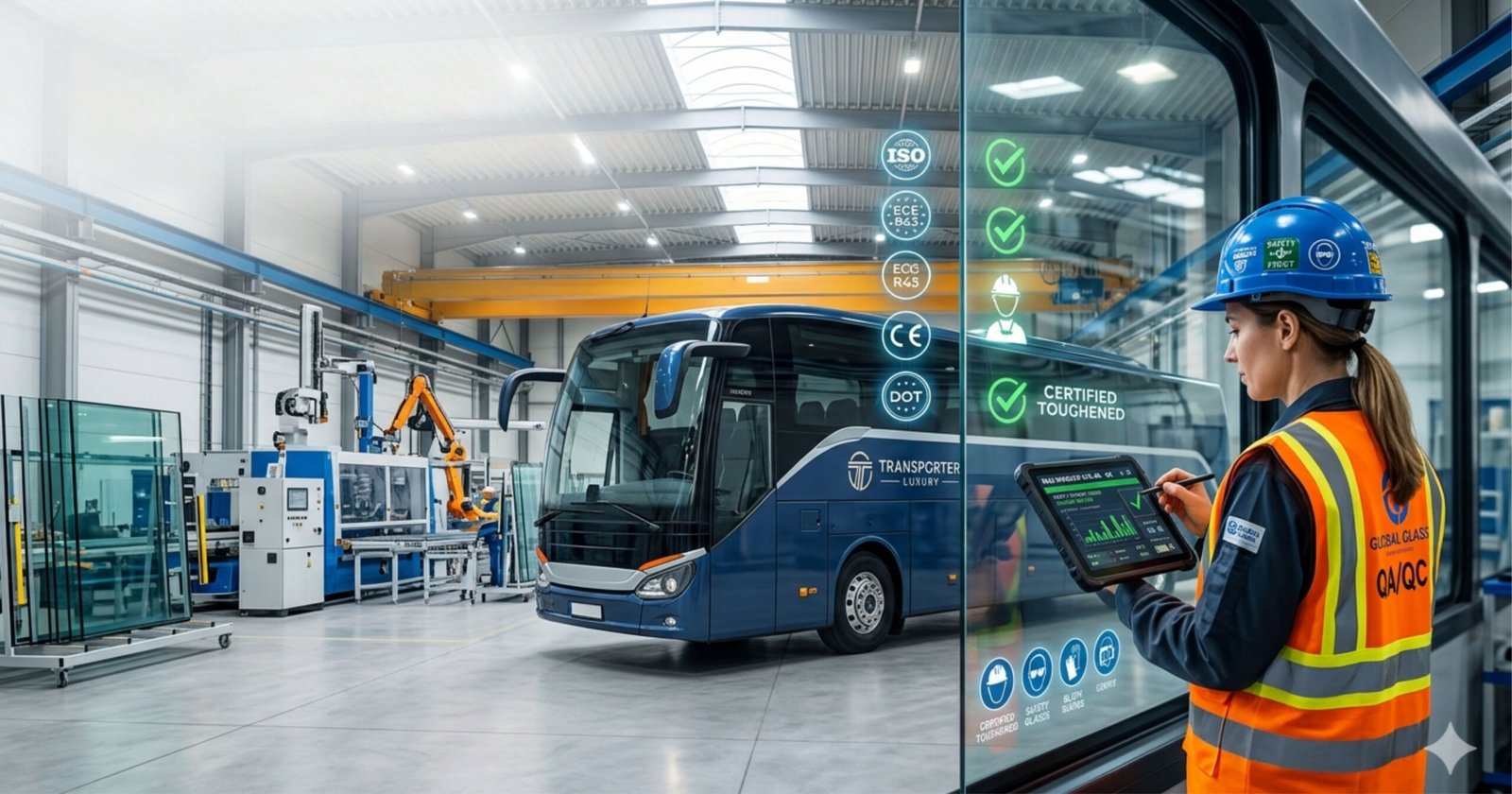
In the modern transportation industry, safety, durability, and performance are non-negotiable—especially when it comes to bus glazing systems. Toughened glass plays a critical role in ensuring passenger safety, structural strength, and long-term reliability. However, selecting the right Bus Toughened Glass Manufacturer is not just about price; it’s about quality standards, certifications, manufacturing capabilities, and long-term partnership.
In this guide, we’ll walk you through everything you need to consider before choosing the right supplier for bus toughened glass.
Why Toughened Glass Is Essential for Buses
Buses operate under demanding conditions—constant vibrations, temperature fluctuations, highway speeds, and unexpected impacts. Standard glass simply cannot withstand these stresses.
High-quality Toughened Safety Glass is specially heat-treated to increase its strength compared to regular annealed glass. When broken, it shatters into small blunt fragments instead of sharp shards, significantly reducing injury risks.
Additionally, in some applications, heat strengthened glass is used where moderate strength and improved thermal resistance are required. Though not as strong as fully toughened glass, it offers better durability than untreated glass and is suitable for specific bus window designs.
Key Factors to Consider When Choosing a Bus Toughened Glass Supplier
1. Industry Certifications and Compliance
The first thing you should verify is whether the supplier complies with national and international safety standards such as:
- AIS standards (Automotive Industry Standards)
- ECE regulations
- ISO certifications
A reliable bus toughened glass manufacturer will strictly follow these regulations and provide complete documentation and testing reports.
2. Manufacturing Infrastructure and Technology
Modern glass manufacturing requires advanced tempering furnaces, CNC cutting machines, edge polishing systems, and strict quality inspection processes.
Before finalizing a supplier, check:
- Production capacity
- Technology used in tempering
- Automation level
- Quality control procedures
Advanced technology ensures uniform strength distribution, optical clarity, and precise dimensions—critical for bus windshields and side windows.
3. Quality of Raw Materials
The performance of toughened glass heavily depends on the quality of raw float glass used. Premium-grade raw materials ensure:
- Better optical clarity
- Higher impact resistance
- Consistent strength
- Long service life
Ask your supplier about the source of their base glass and internal quality checks.
4. Customization Capabilities
Every bus model has unique glazing requirements. A good supplier should offer:
- Custom shapes and sizes
- Silk screen printing
- Logo printing
- Tinting options
- Special coatings
Customization is particularly important for OEM bus manufacturers and body builders who require precise fitting and branding elements.
5. Testing and Quality Assurance
Quality testing is one of the most critical factors when selecting a bus toughened glass manufacturer.
Look for manufacturers that conduct:
- Impact resistance tests
- Fragmentation tests
- Thermal shock tests
- Stress analysis
- Optical distortion inspection
Reliable manufacturers maintain strict internal quality audits to ensure every piece meets safety norms.
6. Experience in the Automotive Sector
Experience matters. A manufacturer with strong expertise in automotive glass understands:
- Structural requirements
- Regulatory compliance
- Safety performance standards
- Long-term durability expectations
Suppliers who have worked with bus OEMs and fleet operators usually deliver more reliable and technically accurate products.
7. Supply Chain and Delivery Reliability
In the bus manufacturing industry, delays can be costly. Choose a supplier with:
- Strong logistics support
- Consistent lead times
- Bulk production capability
- Secure packaging systems
On-time delivery ensures smooth production schedules and reduces operational disruptions.
8. After-Sales Support and Technical Assistance
A professional supplier does more than just deliver products. They provide:
- Installation guidance
- Technical documentation
- On-site assistance (if required)
- Warranty support
Strong after-sales service reflects the manufacturer’s confidence in their product quality.
Toughened Safety Glass vs Heat Strengthened Glass in Buses
Understanding the difference between toughened safety glass and heat strengthened glass helps in selecting the right solution:
| Feature | Toughened Safety Glass | Heat Strengthened Glass |
| Strength | Very High | Moderate |
| Break Pattern | Small blunt fragments | Larger pieces |
| Safety Level | Maximum | Moderate |
| Typical Use | Side windows, doors, emergency exits | Certain structural applications |
Most bus windows require fully toughened glass for maximum passenger safety.
Red Flags to Avoid
When selecting a supplier, avoid:
- Unverified certifications
- Inconsistent pricing without justification
- Lack of testing documentation
- Poor communication
- No clear warranty policies
Cutting corners in glass quality can compromise passenger safety and damage your brand reputation.
Final Thoughts
Choosing the right bus toughened glass manufacturer is a strategic decision that directly impacts safety, durability, and operational efficiency. Focus on quality standards, certifications, customization ability, manufacturing technology, and after-sales support rather than just cost.
High-performance toughened safety glass ensures passenger protection, while specialized applications of heat strengthened glass offer additional flexibility where required.
By partnering with a reliable and experienced supplier, bus manufacturers can guarantee long-term safety, compliance, and customer trust.